

How Do Bass Traps Work? The Ultimate Guide to Low-End Frequency Control
2025-12-21 22:47
Achieving a balanced, professional-grade bass response in any room requires significantly more than just purchasing high-end speakers or subwoofers. It demands a dedicated acoustic treatment strategy tailored specifically to controlling the most difficult aspect of sound: low frequencies. Whether you are outfitting a dedicated home theater, a professional recording studio, or an audiophile listening room, implementing a strategy to mitigate low-frequency imbalances is the single most effective tool for managing sound waves and creating an accurate sonic environment.
Many enthusiasts encounter the term, but what is a bass trap exactly, and how does it function physically? At Feltcombo, we believe in educating our clients on the physics of sound. In this comprehensive guide, we will explore the science behind porous absorbers, determine exactly where to place low-frequency treatments, and explain why they are crucial for improving sound quality and flattening frequency response.
Why do I need room treatments?
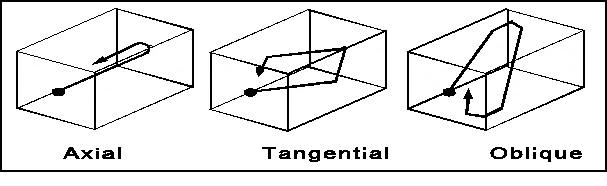
To understand the necessity of treatment, one must realize that a room acts much like a giant instrument or speaker cabinet. The physical dimensions of your space—length, width, and height—create specific dominant frequencies known as "room modes" or standing waves. These are essentially areas where sound waves reinforce each other or cancel each other out based on the geometry of the room.
Many of these modal issues occur aggressively in the bass range because bass notes have significantly longer wavelengths than treble notes. These unwanted resonances can wreak havoc on your audio experience. They can amplify certain bass notes by up to 20dB (making them boom unpleasantly) or cause "nulls" where bass frequencies virtually disappear. furthermore, they extend the "decay time" of audio, meaning a bass note lingers in the room long after the speaker has stopped playing it. This uneven bass response makes it nearly impossible to mix music accurately in a studio or enjoy tight, punchy movie effects in a theater.
The Consequence of Untreated Rooms: If left untreated, these sound waves reflect relentlessly between the walls, floor, and ceiling, creating a chaotic buildup of low-frequency energy. The result is a "muddy," undefined sound where reverberation blurs musical details. Bass trapping provides the solution by absorbing this excess energy.
Types of Acoustic Treatment: Porous vs. Resonant
When sourcing materials, perhaps from a specialized acoustic panel factory like Feltcombo, it is important to distinguish between the two primary categories of low-frequency control devices:
Porous (Broadband)
These are the most common and versatile forms of treatment. They are typically constructed from high-density materials such as fiberglass, mineral wool, or increasingly, eco-friendly PET felt.
Function: They absorb a wide range of frequencies, effectively handling both higher frequencies and low frequencies down to a certain cutoff point determined by their thickness.
Application: They are universally effective when placed at first reflection points, the corners of a room, and back walls.
Material Note: While acoustic foam is common, it is often too lightweight to affect deep bass. Dense fiber materials or PET solutions like the china theater pet eco panel are far superior for broadband absorption because of their higher gas-flow resistivity.
Resonant (Tuned)
These are precision instruments designed to target very specific problem frequencies.
Function: Unlike porous absorbers that work on sound velocity, these devices respond to sound pressure. They often use internal chambers, membranes, or perforated faces.
Examples: Common types include Helmholtz resonators and diaphragmatic absorbers.
Application: These are best used as a surgical solution when a particular bass note (e.g., a stubborn 60Hz hum) persists even after a good broadband strategy is in place.
For most users, broadband porous traps are the most effective starting point because they smooth out the response across the entire frequency spectrum.
How Do Bass Traps Work?
So, what is a bass trap doing physically to the sound? The mechanism is based on energy conversion. You cannot "destroy" energy, but you can change its form.
The bass trap functions by providing resistance to the air particles vibrating with the sound wave. As the sound wave attempts to pass through the dense, fibrous material of the trap, the air molecules rub against the fibers. This friction slows down the air particles, converting their kinetic energy (movement) into a tiny amount of thermal energy (heat).
The thicker and denser the absorptive material, the lower the frequencies it can effectively slow down. By converting this sound energy into heat, the trap prevents the wave from hitting the wall and reflecting back into the room. This stops the cycle of interference and buildup, drastically reducing reverberation and resulting in a "tighter," more accurate room response.
Where does bass energy build up most?
Low-frequency energy is not distributed evenly throughout a room. Due to the physics of long wavelengths, pressure builds up at the boundaries.
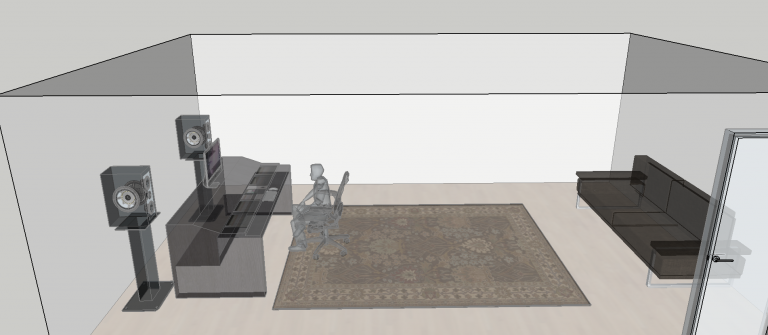
Corners of the room: This is the most critical area. Low frequencies accumulate in all corners, but especially in the "trihedral" corners where three boundaries meet (e.g., where two walls meet the ceiling). This acts like a funnel for bass pressure.
Back Walls: In many rectangular rooms, the longest dimension (length) supports the strongest standing waves, causing significant bass reflection off the rear wall.
First Reflection Points: While often associated with stereo imaging, using thick panels at the points where sound bounces off side walls before reaching your ears helps control upper-bass muddiness.
Do Bass Traps Help with Soundproofing?
There is often confusion between "acoustic treatment" (improving the sound inside a room) and "soundproofing" (stopping sound from leaving or entering a room).
While bass traps are excellent at absorbing waves inside the space, they are not designed to stop sound transmission through structures. True soundproofing requires mass, decoupling, and airtight seals. However, treatments can reduce the overall volume within the room, which might slightly lower the noise bleeding out. For a deeper dive into this distinction, you can read our guide: do acoustic panels keep sound in?
Placement for Maximum Effectiveness
In acoustics, performance is often a game of surface area coverage. However, strategic placement yields the highest return on investment.
Corners
Placing bass traps for corners is the single most efficient action you can take to improve a room. Because bass pressure peaks in corners, a trap placed here captures the wave at its maximum pressure point. Straddling the corner (at a 45-degree angle) with a thick panel creates an air gap behind the trap, which further enhances low-end absorption.
Back Wall Absorption
The rear wall of a listening room or studio is often responsible for harsh reflections and bass cancellation. Covering a significant portion of the back wall with thick broadband traps (at least 6 inches deep if possible) helps eliminate the reflections caused by the room's length.
First Reflection Points
Installing acoustic panels on the side walls and ceiling (clouds) between the listening position and the speakers is vital. While standard panels work here, using thicker broadband traps at these points ensures that the "muddy" low-mid frequencies are absorbed alongside the high frequencies, preserving the clarity of vocals and instruments.
The Key to Better Sound
A properly treated room provides a clear, balanced canvas for your sound. It is free from the coloration of excessive reverberation and chaotic sound reflections. Whether you are setting up a modest home studio, a luxurious home theater, or a professional broadcast facility, bass trapping is not an optional accessory—it is a fundamental component of accurate sound reproduction.
By targeting standing waves and strictly controlling low frequencies with high-quality materials from a trusted acoustic panel factory, you create a space where the equipment disappears, and only the music remains. Take control of your room's sound physics today.
FAQ: Everything You Need to Know About Bass Traps
How do bass traps improve home theater sound?
Bass traps absorb excessive low-end energy, preventing the "boomy" or "muddy" bass that obscures detail in home theaters. This results in much clearer dialogue, tighter and more impactful low-frequency effects (LFE), and a balanced soundstage where explosions don't drown out the soundtrack.
Can I use bass traps in a small room?
Yes! In fact, small rooms often suffer the most from acoustic issues. Their shorter dimensions create strong standing waves in the audible bass range. The bass trap is essential here to flatten the response, making the small room sound acoustically larger and more controlled.
Do I need them for a home studio?
Absolutely. Without them, recording studios and home studios suffer from inaccurate bass response. You might mix the bass too quiet because the room amplifies it, or too loud because the room cancels it. Traps ensure what you hear is accurate, making mixing and mastering much easier.
Should I use porous or resonant absorbers?
Porous treatments (like fiberglass, mineral wool, or PET felt) work best as the primary bass trapping strategy because they are broadband. Resonant absorbers are specialized tools best reserved for targeting specific, stubborn frequencies after broadband treatment is installed.
Can bass traps help with subwoofers?
Yes! Subwoofers produce deep bass frequencies that energize room modes. Bass traps help manage this energy, preventing excessive buildup and allowing the subwoofer to deliver tight, defined punch rather than a loose rumble.
Are bass traps only for professional studios?
No! Home theaters, audiophile listening rooms, gaming setups, and even conference rooms benefit from proper bass trapping to improve speech intelligibility and audio clarity.
Can I build my own DIY bass traps?
Yes! Many DIY enthusiasts use fiberglass or mineral wool to build effective traps. However, sourcing pre-made solutions like a china theater pet eco panel ensures consistent density, fire safety, and aesthetic finish that is hard to replicate at home.
How many bass traps do I need?
The number depends on room dimensions, but coverage is key. Most spaces benefit from at least four bass traps for corners (floor to ceiling is ideal). Adding additional mass to the back wall and first reflection points will yield even better results.
Summary
Understanding the physics of sound is the first step toward audio perfection. Bass traps are essential tools that convert chaotic acoustic energy into heat, clarifying the sonic landscape of any room. By prioritizing the corners and using the correct porous materials, you can transform a muddy, booming room into a precision listening environment.
At Feltcombo, we have spent 20 years refining the art of acoustic manufacturing. As a premier acoustic panels manufacturer in China, we combine acoustic science with aesthetic design to provide solutions that look as good as they sound. Whether you need standard broadband panels or custom-fabricated solutions, Feltcombo is your partner in achieving the perfect sound.
Related News
Read More >-
![Do Acoustic Panels Help With Noisy Neighbours?]()
Do Acoustic Panels Help With Noisy Neighbours?
Acoustic panels won't block neighbour noise. Learn what actually works — from sound blocking wall panels to ceiling solutions — and when panels can help.
-
![How to Create a Soundproof Room in Singapore]()
How to Create a Soundproof Room in Singapore
Learn how to build a soundproof room in Singapore. Expert tips on soundproof panels, acoustic walls, DIY insulation & window solutions by Feltcombo.
-
![3D Acoustic Panel Design Guide: Geometry Meets Sound Science]()
3D Acoustic Panel Design Guide: Geometry Meets Sound Science
Discover how Feltcombo's 3D acoustic panels merge geometric design with sound science. Expert guide for architects on enhancing aesthetics and acoustics.
-
![The Science of Silence: Understanding the Acoustic Absorption Mechanism of Wooden Panels]()
The Science of Silence: Understanding the Acoustic Absorption Mechanism of Wooden Panels
Explore the science behind wooden acoustic panels. Learn how Feltcombo utilizes wood and PET technology to control noise, enhance aesthetics, and improve sound quality in any space.
-
![Will Acoustic Panels Keep Sound Out? The Truth About Soundproofing vs. Absorption]()
Will Acoustic Panels Keep Sound Out? The Truth About Soundproofing vs. Absorption
Confused about soundproofing vs. acoustic treatment? Discover if acoustic panels keep sound out and learn the right solution for your noise problems with Feltcombo.
-
![Where to Place Acoustic Panels: The Ultimate Placement Guide]()
Where to Place Acoustic Panels: The Ultimate Placement Guide
Master the art of sound panel placement. From home theaters to offices, learn where to place acoustic panels to eliminate echo and improve audio clarity.
-
![What Is the Best Soundproofing Material for Ceiling? | FeltCombo]()
What Is the Best Soundproofing Material for Ceiling? | FeltCombo
Discover the best soundproofing material for ceiling projects. From PET felt panels to drop tiles, learn how to reduce impact and airborne noise effectively.
-
![Do Acoustic Panels Really Work? Complete Guide]()
Do Acoustic Panels Really Work? Complete Guide
Discover how sound absorbing panels and acoustic panels work. Learn the difference between soundproof wall panels, noise insulation panels, and acoustic ceiling tiles to create a quieter space.