

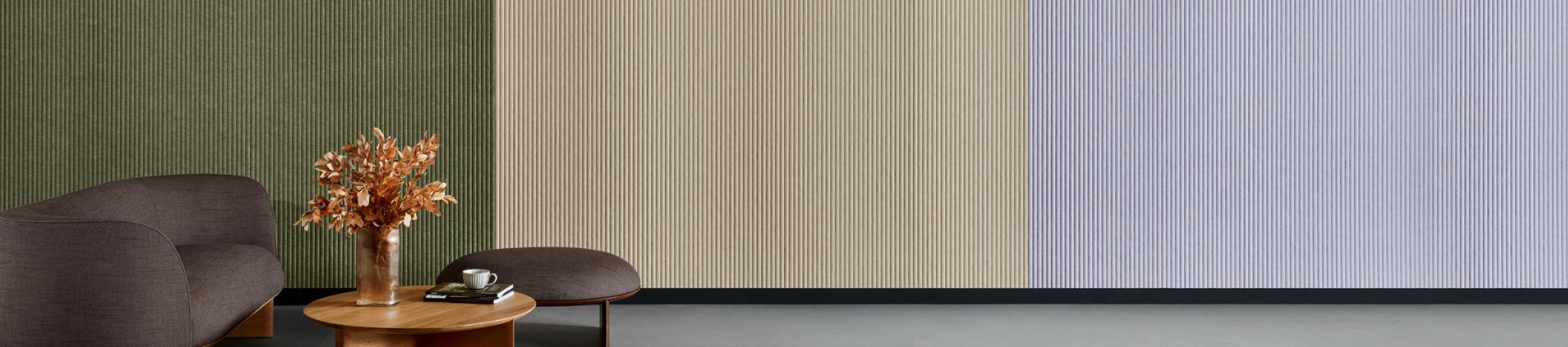
What is the acoustic absorption mechanism of wooden acoustic panels?
Hello! I am a veteran supplier of architectural acoustic solutions at Feltcombo, and today I want to take a deep dive into the science behind our products. We often get asked how something as solid and rigid as wood can help quiet a room. It seems counterintuitive, right? Today, we are going to explore the acoustic absorption mechanism of wooden acoustic panels and why they are becoming the gold standard for modern interiors.
First, let’s establish the context. Why is acoustic absorption suddenly a priority for architects and homeowners alike? Whether we are talking about grand concert halls, bustling open-plan offices, or intimate home recording studios, controlling sound is no longer a luxury—it’s a necessity. Excessive noise, or "noise pollution," creates stress, reduces productivity, and ruins audio recordings.
This is where Feltcombo steps in. We bridge the gap between functional sound control and high-end aesthetics. But how exactly do our panels work? Let’s break down the physics.

The Basics of Sound and Absorption
To understand how our panels work, we first need to look at the behavior of sound itself. Sound travels through the air as invisible waves of energy. When these waves encounter a boundary—like a wall, a ceiling, or a piece of furniture—three things can happen:
-
Reflection: The sound bounces off the surface (causing echoes).
-
Transmission: The sound passes through the surface (leaking into the next room).
-
Absorption: The sound enters the material and is dissipated.
Our goal with wooden acoustic panels is to maximize the third outcome: absorption. But what is the actual mechanism? It is essentially an energy conversion process. When sound waves strike a porous acoustic material, the air molecules vibrate within the material's structure. This vibration creates friction against the pore walls. Through this friction, kinetic sound energy is converted into a tiny amount of heat energy.
In simpler terms, the panel "soaks up" the acoustic energy, significantly reducing the intensity of the sound that bounces back into the room. This clears up the "muddy" sound in a space, leaving you with clarity and calm.
Structure and Composition of Wooden Acoustic Panels
A common question we receive from clients is: does wood absorb sound effectively on its own? The answer is nuanced. Solid, flat wood is actually highly reflective—think of the bright, echoing sound inside a violin or guitar body. However, when wood is engineered correctly and combined with other materials, it becomes a powerful acoustic tool.
At Feltcombo, as a premier acoustic panel factory, we engineer our panels using a composite approach. The magic lies in the synergy between two distinct components:
-
The Wood Slats (Diffusers): Our panels feature wooden slats spaced at specific intervals. These hard surfaces break up sound waves. Instead of a direct bounce (which causes harsh echoes), the slats scatter the sound in different directions. This is known as diffusion, and it keeps the room sounding "live" and natural rather than dead.
-
The PET Felt Backing (Absorbers): Behind the wood slats lies the true workhorse of absorption—a high-density Polyester (PET) felt. This material is highly porous. As sound waves pass through the gaps between the wood slats, they enter the felt backing. Here, the friction mechanism we discussed earlier takes place, trapping the sound energy.
This "porosity" is key. The gaps between the wooden slats act as entry points—tiny acoustic traps. Once the sound enters these traps, it bounces around inside the fibrous PET material, losing energy with every interaction until it is effectively neutralized.
Frequency - Dependent Absorption
Not all noise is created equal. Sound comes in a spectrum of frequencies, measured in Hertz (Hz). The rumble of traffic is low frequency (long wavelengths), while the ring of a telephone or human speech is high frequency (short wavelengths). The acoustic absorption mechanism of wooden panels varies across this spectrum.
High and Mid Frequencies:
Sounds with short wavelengths (like typing, chatter, or cutlery clinking) are relatively easy to absorb. They fit easily into the small pores of the PET felt and the gaps between the wood slats. Our standard panels are exceptionally efficient in this range, which covers the majority of human speech frequencies.
Low Frequencies (Bass):
Bass frequencies have long, powerful wavelengths that tend to pass right through thin materials. Absorbing bass requires mass and depth. While standard panels handle mid-to-highs perfectly, capturing deep bass often requires thicker assemblies or air gaps behind the panel. However, the specific design of our slats creates a "Helmholtz Resonator" effect. The cavity between the slats and the wall can vibrate at specific frequencies, helping to cancel out certain low-end tones that would otherwise cause a room to boom.
Comparison with Other Absorbing Materials
You might be wondering how Feltcombo’s wooden acoustic panels stack up against traditional alternatives found on the market.
vs. Acoustic Foam:
The most common alternative is the "egg crate" style noise reduction foam. While foam is effective at high frequencies, it lacks density. Furthermore, foam often deteriorates over time, turning into dust, and frankly, it looks industrial. It does not offer the diffusion benefits that wood slats provide.
vs. Fabric Panels:
Fabric-wrapped fiberglass is another standard. It absorbs well but is fragile and difficult to clean. If you lean against it, you might damage the structure.
The Feltcombo Advantage:
Our Wood Veneer PET Acoustic Panel offers the best of both worlds. You get the high absorption coefficient of the PET felt combined with the durability and diffusion properties of the wood face. It is a hybrid solution: does wood absorb sound better than foam? When engineered into a slat system with a PET backing, it often provides a more balanced acoustic result (absorption + diffusion) than foam, which only deadens the room.
Benefits of Using Wooden Acoustic Panels
Why are architects and designers flocking to this solution? The benefits extend far beyond just physics.
1. Sustainability:
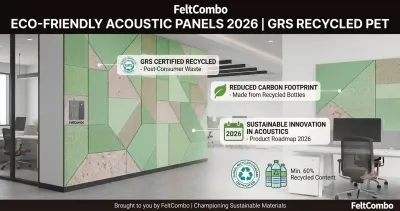
At Feltcombo, we prioritize the planet. Our wood is sourced from sustainable forestry, and the PET felt backing is made from recycled plastic bottles. It is an eco-friendly loop that improves your indoor air quality without harming the environment.
2. Aesthetic Warmth:
Acoustics used to be ugly. We changed that. Wood brings biophilic design elements into a space, creating a sense of calm and connection to nature. Whether it is a modern office or a cozy home theater, wood adds elegance that foam simply cannot match.
3. Durability:
Wood is robust. It can withstand impacts that would tear fabric or crumble foam. This makes our panels ideal for high-traffic areas like corridors, lobbies, and restaurants.
How to Choose the Right Wooden Acoustic Panels
Selecting the right acoustic treatment depends heavily on the application. Here is how to assess your needs:
For Home Recording Studios:
If you are a musician or podcaster, precision is key. You need a mix of absorption (to kill reverb) and diffusion (to keep the recording sounding natural). When compiling your home recording studio equipment list, acoustic treatment should be at the top, right next to your microphone and interface. For these spaces, we recommend covering reflection points on the walls to ensure a clean signal.
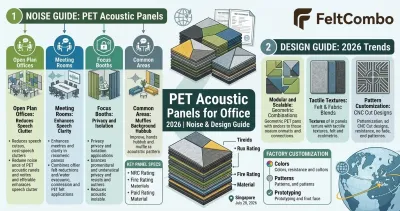
For Offices and Restaurants:
Here, the goal is speech intelligibility. You want to reduce the "cocktail party effect" where voices blur together. Installing panels on the ceiling or upper walls can drastically reduce the overall noise floor.
Consider the Space Volume:
Larger spaces generally require a higher percentage of surface area coverage. A good rule of thumb is to cover 20% to 30% of the wall surface to notice a significant difference in comfort.
Conclusion
In summary, the acoustic absorption mechanism of Feltcombo’s wooden acoustic panels is a sophisticated interplay between material science and physics. It relies on the porous nature of the PET backing to convert sound energy into heat via friction, while the wooden face provides necessary structure and diffusion.
We move beyond the simple question of "does wood absorb sound" to provide a comprehensive system where wood and felt work in harmony. These panels offer a trifecta of benefits: superior acoustic performance across critical speech frequencies, unmatched durability, and a timeless aesthetic appeal.
If you are looking to elevate the acoustic and visual quality of your project—whether it is a commercial high-rise or a private listening room—Feltcombo is here to help. As a dedicated acoustic panel factory, we can customize solutions to fit your specific design requirements. Let’s work together to make your space sound as beautiful as it looks.