

Modern architecture has a love affair with glass, concrete, and minimalist open spaces. While these elements create visually stunning environments filled with natural light, they inadvertently introduce a silent enemy: noise pollution. In fact, studies suggest that with over 70% of modern offices adopting open-plan layouts, acoustic discomfort has become the leading complaint among occupants. Those sleek glass partitions and high ceilings do little to dampen the cacophony of ringing phones, clattering keyboards, and overlapping conversations.

For decades, the traditional approach to noise control involved heavy carpets, suspended ceiling tiles, or utilitarian fabric boards. While functional, these often clashed with the clean lines of contemporary interior design. Architects and designers found themselves in a bind, forced to choose between acoustic performance and aesthetic integrity.
Enter the revolution of 3D acoustic panels. These innovative solutions escape the flat, boring trap of traditional soundproofing, offering a way to tame noise without sacrificing style. At Feltcombo, we believe that sound control should be seen and heard in equal measure.
Why Acoustic Comfort Matters
The promise of the open-plan office was collaboration and flexibility. However, field research paints a different picture. Excessive noise can actually discourage communication, driving employees to wear headphones just to focus. Data indicates that workers in noisy environments lose an average of 21.5 minutes of productivity per day due to conversational distractions.
When sound waves bounce unchecked across hard surfaces, speech intelligibility drops, and cognitive load increases. This "acoustic smog" turns beautiful spaces into chaotic environments. Good design must transcend the visual; it must curate the auditory experience. This is where high-performance acoustic treatments become essential infrastructure, not just decoration.
What are 3D Acoustic Panels?
While standard flat panels absorb sound, three-dimensional panels elevate performance through geometry. 3D acoustic panels are engineered surfaces featuring geometric patterns, undulating waves, or faceted shapes that add significant depth to a wall or ceiling.
Constructed from porous, sound-absorbing materials like recycled PET felt (Polyethylene Terephthalate) or specialized acoustic foam, these panels trap sound energy within their fibrous structure. However, their true power lies in their shape. The multifaceted surface area disrupts sound waves, scattering them in multiple directions. This dual action of absorption and diffusion prevents the dreaded "flutter echo" and creates a softer, more balanced acoustic environment.
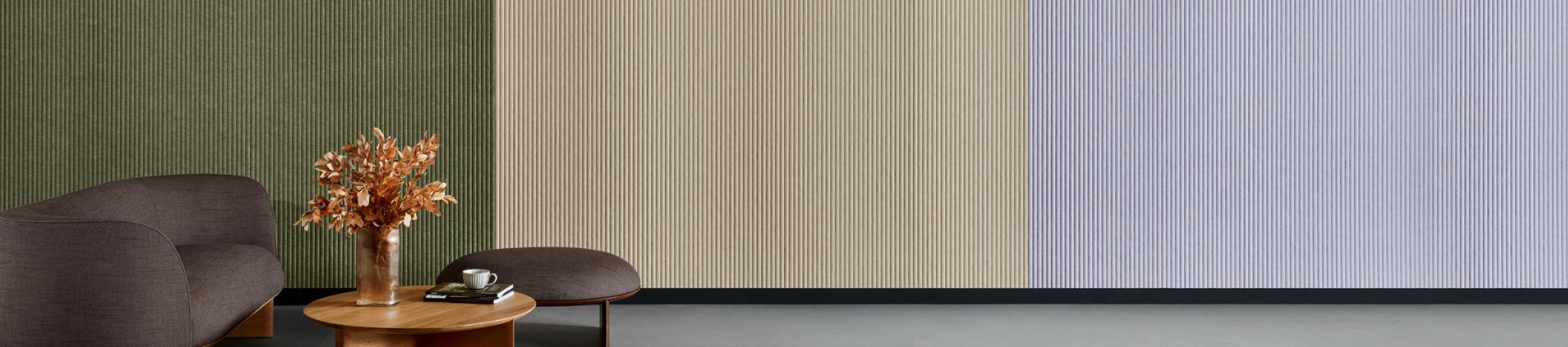
At Feltcombo, we combine acoustic science with material artistry. Our range includes 3D embossed, carved, and printed PET panels designed to integrate seamlessly into high-end architectural projects. Whether mounted as a feature wall or suspended as an acoustic cloud, they transform functional noise control into a sculptural art form.
Benefits Of 3D Acoustic Panels
Beyond their striking visual appeal, implementing a 3D solution offers tangible benefits for any commercial or residential space:
Enhanced Sound Management: By combining absorption (trapping sound) and diffusion (scattering sound), they address a wider range of acoustic issues than flat panels alone.
Speech Privacy and Clarity: By reducing reverberation time, conversations become clearer for the participants while being less distracting to those nearby. This is crucial for open offices and educational settings.
Architectural Depth: Geometric acoustic panels add texture and shadow play to flat surfaces, turning blank walls into dynamic focal points that change with the lighting.
Versatility: From recording studios to hotel lobbies, these panels can be customized in color, shape, and thickness to suit any design language.
Eco-Friendly Installation: Our lightweight PET panels are made from recycled plastic bottles, offering a sustainable solution that is easy to install using simple adhesive or clip systems.
How Does Geometry Shape Sound?
Geometry is not merely decorative; it is a functional tool in acoustics. The acoustic three-dimensional sound shape of a panel dictates how sound waves interact with the surface. Flat surfaces reflect sound directly back, creating hard echoes. Angled, curved, or faceted surfaces break up these waves.
Harnessing shapes and patterns
Designers can leverage different patterns to achieve specific acoustic goals. Organic, wave-like patterns are excellent for soothing environments like healthcare or wellness centers, as they gently scatter sound. Sharp, angular geometric shapes are effective at breaking up high-frequency energy, making them ideal for busy offices or restaurants.
For spaces requiring a modern, linear aesthetic, our Acoustic Wood Slat Panels offer a sophisticated blend of timber warmth and acoustic absorption. Alternatively, for areas needing a bold statement, our Carved PET panels provide intricate designs that trap sound within their grooves.
3D panels in real-world spaces
In practice, acoustic panels architecture is about integration. Modern offices frequently utilize ceiling-hung baffles or "clouds" equipped with integrated LED lighting. This creates an "acoustic canopy" over workstations, dampening noise at the source while providing task lighting. Feltcombo’s OEM service allows designers to create bespoke shapes that mirror the branding or layout of the physical space, ensuring the acoustics feel like a native part of the building's DNA.
Design Tips For Architects And Interior Designers
Integrating acoustics shouldn't be an afterthought. It requires a strategic approach akin to lighting design. Collaborating with an acoustic consultant or utilizing Feltcombo's expertise early in the schematic phase ensures that the final result is both beautiful and functional.
Map Your Acoustics
Start with a plan. We recommend acoustic mapping to identify "hot spots" where sound energy accumulates. For focus zones, aim for a lower reverberation time (RT60) of around 0.6 seconds. Position acoustic panel design elements strategically at "first reflection points"—typically the walls directly opposite speakers or screens—to maximize clarity.
Specify NRC And Class Ratings
Not all panels are created equal. Look for the Noise Reduction Coefficient (NRC). A panel with an NRC of 0.90 absorbs 90% of the sound that hits it. For critical listening environments, consult a comprehensive professional recording studio equipment list to ensure your acoustic treatment meets the rigorous standards required for audio production.
Thicker 3D panels generally perform better at absorbing lower frequencies (like deep male voices or traffic rumble), while the surface geometry handles the high-frequency flutter.
Integrate Lighting And Acoustics
Treating lighting and sound as separate entities is a missed opportunity. Integrated acoustic lighting systems—such as PET felt baffles with embedded LEDs—solve two problems with one fixture. This de-clutters the ceiling plane and provides a cleaner aesthetic.
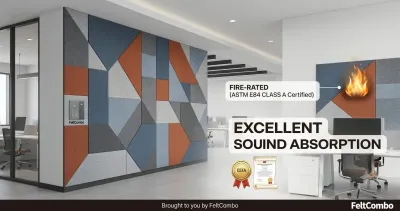
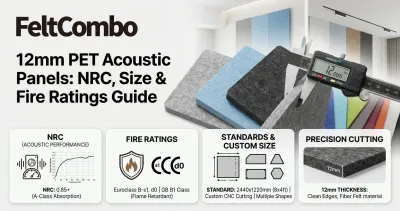
Furthermore, our PET materials are fire-rated (Class B1) and easy to clean, making them suitable for high-traffic public spaces where hygiene and safety are paramount.
Zone Your Space
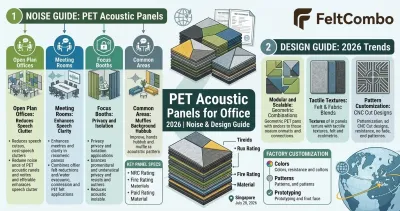
Open plans fail when they lack zoning. Use acoustic treatments to define different areas without building walls. A collaborative breakout area might benefit from vibrant, geometric panels that energize the space, while a quiet library zone requires heavier absorption with calming, soft textures. Feltcombo offers bespoke partitions and desk dividers that provide localized acoustic control, perfect for retrofitting existing offices.
Embrace Sustainable And Tactile Materials
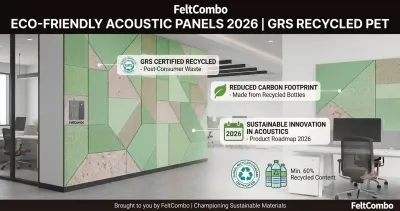
Sustainability is non-negotiable in modern construction. Feltcombo’s PET panels are produced from upcycled plastic bottles, diverting waste from landfills. Beyond their green credentials, these materials offer a tactile warmth that softens the glass-and-steel aesthetic of modern architecture. The "soft touch" of felt invites occupants to feel comfortable and grounded.
Final Thoughts
Sound matters as much as style. In a world dominated by visual media, the auditory experience of a room often determines whether people enjoy inhabiting it. Ignoring acoustics in glass-clad hotels or bustling restaurants is a costly mistake that affects customer satisfaction and employee health.
3D acoustic panels represent the perfect fusion of geometric beauty and sound science. They offer a visually striking way to tame reverberation, proving that you don't have to hide your acoustic treatment. With thoughtful mapping, careful material selection, and creative application, these panels become the highlight of the room.
With Feltcombo as your manufacturing partner, you can turn noise into harmony. With over 20 years of expertise in designing and manufacturing custom acoustic solutions, including everything from Embossed PET panels to Wood Veneer composites, we bring innovation to your noise troubles. Let’s create immersive spaces where people can focus, collaborate, and thrive.
Bring acoustic balance into your next project and let your design sound as good as it looks. Contact Feltcombo today to explore our extensive catalog and OEM capabilities.